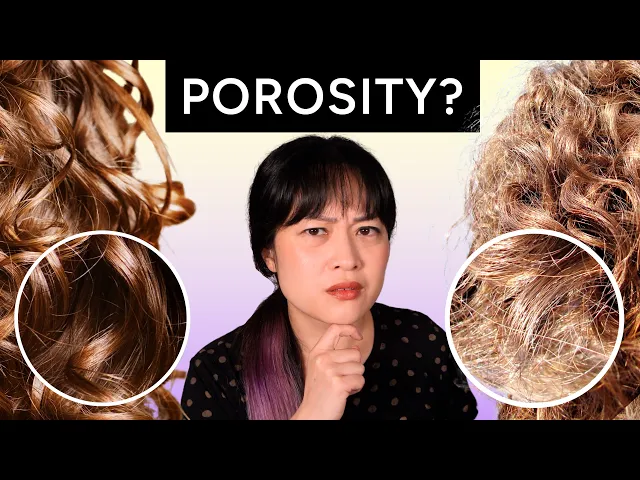
Is hydration destroying your hair? The REAL science
Lab Muffin Beauty Science
0:00 should you hydrate your hair?
0:01 from all of the hydrating products out there you'd think
0:04 the answer is obviously yes but is it all a lie?
0:08 there's quite a lot of hair experts including scientists
0:10 who say that water is bad for your hair it
0:12 causes damage but that's not really true either water
0:15 and hydration is one of the most confusing topics in hair
0:18 science it's one of the biggest sources of hair
0:20 myths not just from marketing and regular people but also
0:23 hair experts and cosmetic scientists but once you understand it
0:27 better a lot of things about your hair and how
0:29 to take care of it will start to make
0:31 a lot more sense I've been avoiding this topic because
0:33 it's really complicated and I didn't feel like I
0:36 could explain it properly even with a chemistry PhD even
0:39 with a cosmetic chemistry diploma even after bleaching the crap
0:42 out of my hair but we are finally doing it
0:47 here is the real science behind hair and water have
0:52 you ever noticed that when your hair is wet it's stretchier?
0:55 if you have long hair it's probably pretty obvious if
0:57 you don't ask a friend for a few pieces to play
1:01 with dry hair is stiffer if you stretch it too
1:03 much it breaks it doesn't spring back wet hair is
1:06 bendier it's easier to stretch but if it stretches it
1:09 will spring back that's because the inside of your hair is
1:13 really sensitive to water your hair is made of proteins
1:16 and all of this protein is stuck together with bonds bonds
1:19 give your hair its strength and its shape there are
1:22 permanent bonds that only really break with chemical treatments but there
1:25 are also lots of temporary bonds mostly hydrogen bonds water
1:29 is really good at breaking these when your hair is
1:32 dry these temporary bonds are sticking proteins to each other
1:35 like glue they are holding hands at a molecular level
1:38 but proteins can also hold hands with water so if you
1:41 dump a whole bunch of water into your hair the proteins
1:44 will start bonding with the water instead of bonding
1:47 with each other it's like you and your dog are
1:49 at a dog park yes the puppies are coming back if
1:52 it's just the two of you you can only really interact
1:54 slash bond with each other he'll come when you call
1:57 but if you add a whole bunch of water it's
1:59 like you're adding a whole bunch of really friendly puppies
2:01 you interact with them you're not going to have as strong
2:04 of an interaction with your dog you have a temporarily
2:07 weaker bond when the dogs leave you have more interactions
2:10 with each other again you are more strongly bonded so wet
2:13 hair has less bonds holding the proteins together it's a lot
2:17 weaker which is why it's so much easier to stretch
2:20 this is mostly why hair scientists say water is bad
2:22 for your hair it takes less force to break wet hair
2:24 so if you pull on it a lot more strands will
2:27 snap compared to if it was dry it's like arm
2:29 wrestling you're going to win way more arm wrestles if
2:32 you challenge people right after they just did arm day
2:36 but this isn't the only thing that water does to hair
2:38 less bonds also means that the shape of curly or kinky
2:42 hair gets looser the shape is floppier there are less
2:45 tight bends and just changing shape makes a massive difference
2:48 it's more damaging to comb straight hair when it's wet it's
2:51 weaker and there's also more friction from water but it's
2:54 more damaging to comb curly hair when it's dry when
2:57 the shape is looser there's less resistance it's less prone
3:00 to tangling there's a bunch of studies showing this weird conundrum
3:03 if your hair is in between straight and curly
3:05 and you're not sure if you should be combing it wet
3:07 or dry the science here pretty much just lines up
3:10 with your personal experience the one that needs less force the one
3:13 that's easier is going to be less damaging wet
3:16 or dry conditioning your hair will also make it smoother less
3:20 force less damage but personal experience is way more misleading
3:22 when it comes to other things that water does which is
3:26 where we get into this whole idea of hydrating hair
3:30 products if you go to the store you'll see tons
3:33 of products that say hydration hydrating so you'd think it's really
3:36 obvious more water in your hair makes your hair feel nice
3:40 soft smooth healthy and this is one of the weirdest
3:43 things that the whole hair care industry has kind of just
3:46 agreed to do I've been in hair lectures where scientists
3:49 have said it's too hard to explain hydration properly to consumers
3:52 people won't believe you they'll get confused and they'll just
3:55 buy someone else's products so I'm going to try to do
3:58 the opposite I like making life harder for myself obviously
4:01 but I think you can handle the truth truth handler,
4:05 you there is a sweet spot when it comes to how hydrated
4:09 your hair should be it's actually not that much different from skin when
4:12 your skin is too wet if you've been sitting in the bath
4:16 for ages it gets fragile and might crumble easily but on the flip
4:19 side if it's too dry then it's stiff and it cracks but there
4:23 are two big differences number one it's a lot harder to adjust
4:27 the level in hair with just products and number two the sweet spot
4:30 for hydration with hair is a lot lower than it is for skin
4:34 here's the thing in studies hair that feels nice and soft and smooth
4:38 and healthy and what we would think of as hydrated it actually
4:42 has less water than hair that feels rough and dry and damaged there's
4:47 a famous study where scientists asked people to rate hair with more water
4:51 and less water and most people said that the one with less
4:54 water it felt more moisturized it felt smoother less tangled and less damaged
4:59 so why does hair with less water feel nicer but then your hair
5:03 feels nicer when you wash it and when you use so-called hydrating products?
5:07 let's start with the first bit why hair
5:09 with more water feels worse and again we're going
5:12 back to bonds when you have extra water/puppies
5:14 in the hair it starts swelling up and different
5:17 parts of your hair will swell up different
5:19 amounts it's like the puppies like hanging out
5:21 in particular bits if we zoom into to the cuticle
5:24 scales on the surface of your hair
5:25 those are those overlapping roof tiles the underneath
5:28 of each scale and the glue in between
5:30 the scales will absorb water a lot more than the top so the scales stick up
5:34 a lot more the surface feels bumpier and rougher
5:37 water itself is also sticky if you have one of those grocery bags and you can't
5:41 open it you can wet your fingers a little
5:43 bit not too much and get more grip so when the hair has more water in it
5:47 (and on it) the surface gets bumpier
5:48 and grippier on a microscopic level and to us
5:51 that makes it feel like it's dry because
5:53 most things don't go rough and bumpy when
5:55 they're wet with skin for example moisturizing makes
5:58 it softer and smoother so what most hydrating hair
6:01 products are actually doing is conditioning they
6:04 are depositing an oily layer on the surface
6:06 and this is made of ingredients like silicones
6:09 or fatty alcohols this makes your hair feel smoother
6:11 and it protects it it makes it less
6:13 sticky less of that friction makes it feel soft
6:16 and smooth our hair actually starts off
6:18 with a natural conditioning layer it's called the F layer
6:21 it's sort of like a really thin oily layer that sits on top of each cuticle
6:24 scale as your hair gets damaged this layer comes off and a large part of what
6:28 conditioners are doing is they're essentially replacing
6:31 that F layer now here's where it gets misinterpreted
6:34 slightly by people who do know a bit
6:35 about hair science you might have seen people say
6:38 things like conditioner seals hair against water conditioner
6:41 flattens the cuticle and prevents water from absorbing
6:44 effective conditioners actually stop hair from being hydrated
6:48 healthy hair is waterproof all of this is not
6:52 really true if you wet undamaged hair it can absorb about 30% of its own weight
6:57 in water in minutes that is a third of its own weight which is quite a lot
7:02 and the reason is if you look at the structure of hair the F layer is just
7:06 sitting on top of each cuticle scale
7:08 but the underside and the stuff in between the scales
7:10 the CMC these are really good at absorbing water and it lets it inside the hair
7:15 there are just tons and tons of gaps your hair is basically like a pine cone it
7:19 is gap central conditioners stick to hair
7:21 in little blobs not one continuous layer these blobs
7:24 are small enough that the hair feels soft
7:26 and smooth when we touch it but individual water
7:29 molecules are really really tiny they are getting
7:31 in between the blobs the blobs also aren't really
7:34 sticking the cuticle down or sealing it they
7:37 are just tiny blobs but you might be thinking:
7:39 there are some tests where it looks like
7:40 undamaged hair is waterproof what's going on there?
7:43 let's break it down here's one example if you put a drop
7:46 of water on undamaged hair it stays in a nice round bead
7:49 but on damaged hair the water drop sort of flattens out
7:52 and it looks like the water is absorbing into hair another one is
7:56 the hair porosity test you put a strand of hair in water
7:58 if it's less damaged it floats people will say it's "less porous"
8:02 but if it's more damaged and it sinks then it is "more porous"
8:06 so if it's not about water absorbing into hair what exactly is happening?
8:10 well this is actually all about surface tension it's happening because of how
8:13 water is clinging to the outside of the hair not whether or not
8:17 it gets inside the way most people explain the strand test is
8:20 that hair sinks when it's absorbed enough water so if it's more porous
8:23 more holes the water gets in faster and it sinks but the thing
8:27 is hair is already denser than water you can actually do a similar
8:30 test with a paperclip if you're careful you can get it to float
8:33 on water even though metal is denser it should sink if you
8:35 poke it or if you add a drop of detergent it sinks
8:39 even though the metal paper clip didn't absorb any water so both hair
8:43 and the paper clip are dense enough to drop down already they'll sink
8:46 if you disrupt the surface tension in a glass the water molecules which
8:50 are the blue blobs they really like holding hands with each other
8:53 the ones at the top don't have friends on top so it's like they
8:56 have extra hands that have to grab along the surface and all
8:59 this bonding all this grabbing forms a sort of strong skin that can hold
9:03 things up like hair and paper clips normally the oily F layer
9:06 doesn't like water it's not going to hold hands with it but if
9:10 you get rid of it then you have a surface that actually likes
9:13 water it can hold hands so the water molecules at the top hold
9:16 hands with the hair and so you get less of that surface tension
9:19 you don't have a skin the hair sinks this test still mostly works
9:23 because surface damage does largely line up with other types of damage which
9:26 affects how easily other things get into hair like hair dyes but it
9:30 isn't actually measuring porosity in the way that you might think same
9:34 with the water drop if you have damaged hair it absorbs somewhere around
9:38 45% of its own weight in water which it isn't actually that much
9:42 more than the 30% for undamaged hair so the water here isn't soaking
9:46 inside of each hair strand it's just spreading along the surfaces
9:49 and in between the hairs so at this point you might be thinking hang
9:53 on Michelle if all of this water is holding hands there's all the surface
9:57 tension how is that 30% or 45% of water getting inside the hair?
10:01 it's because it's not liquid water it's gas so if you think
10:05 back to high school science liquids are holding hands they have things
10:07 like surface tension but with gases the water molecules are individual they're
10:12 far apart they're separated they're not close enough to hold hands there
10:15 is no surface tension if it's humid enough which it is if
10:18 your hair is wet these molecules are small enough that they can
10:21 wiggle in in between those cuticle scales into the hair there's no
10:25 surface tension getting in the way now back to the second question:
10:28 if hair with more water in it feels rougher then
10:31 why does hair feel feel nicer after you wash it?
10:34 well the first reason is that water is
10:36 really good for spreading stuff it's way easier
10:38 to spread conditioner and water evenly all over
10:40 your hair compared to just spreading a much
10:43 smaller amount of product which has no extra water to help out the second reason
10:47 is water is really good at resetting the shape of your hair I think we all
10:52 know this if you've heat styled your hair it's gone after you wash it or if
10:55 it's a really humid day whatever styling you do just gets undone a lot faster
11:00 this is because heat styling is about breaking
11:03 the temporary bonds with heat pulling your hair
11:05 into a particular shape and then setting it
11:07 which is just letting new temporary bonds come
11:09 in and hold the new shape but when water gets into your hair it breaks
11:13 the new temporary bonds and the permanent bonds
11:15 will pull your hair back into the original
11:18 shape when you wash your hair with lots
11:20 of heat and water and shampoo which drops the surface tension it is really good
11:25 at breaking lots of temporary bonds your hair is
11:27 in a super floppy state and that gets
11:30 styled much more easily than usual it's kind
11:32 of like candle wax the more soft and liquid it is the more flexibility you have
11:37 to shape it there's an extra element if you have curly or coily hair water is
11:42 really good at getting strands to align so
11:44 that they're parallel again this is the magic
11:46 of surface tension if there's water coating
11:48 the outside of the hair it's sticky if
11:51 you have two wet strands touching the water can kind of just zip the two strands
11:55 together this is called self assembly it's
11:57 a whole thing in supramolecular chemistry it's really cool
12:00 so water helps curly hair clump together which
12:03 means they can dry in these nice curl
12:05 formations and this can actually make your hair
12:07 feel more hydrated when it's dry these clumps
12:10 have a bigger surface area that touches
12:12 your hand so heat gets transferred faster they
12:14 feel colder and smoother than if your hair wasn't so aligned it's a lot like how
12:19 satin feels colder than a rougher fabric cold
12:21 things feel kind of wet it's like how
12:23 sometimes you can't really tell if your laundry is still wet or if it's just
12:27 cold and this resetting can also happen
12:29 on a microscopic level if you dry hair too
12:31 quickly like with a hair dryer the cuticle
12:33 scales can dry unevenly and some bits shrink
12:36 faster than others you end up with buckling
12:38 of the cuticle scales and your hair looks
12:40 like this this can also happen if your hair gets stretched a bit about 15% which
12:44 is not that much the way to reset this is with water if you soak it
12:48 in water then the scales can sort of reset back into a smooth shape now you
12:52 might be thinking isn't this wetting and drying
12:54 over and over again bad for your hair?
12:56 this is a really persistent myth called hygral
12:59 fatigue it's really ingrained everywhere but there actually isn't
13:03 that much convincing evidence that hygral fatigue is actually
13:06 a thing the analogy I see is that wetting
13:08 and drying your hair is like stretching a rubber
13:10 band you do not want to wet your hair
13:12 every day because if you are constantly wetting it
13:13 and drying it and wetting it and drying it it
13:16 will eventually snap but for rubber bands it's because
13:18 you're stretching it so much that you're breaking permanent
13:20 bonds they can't actually form again in hair water
13:23 is breaking temporary hydrogen bonds these ones will reform
13:26 really easily so it's actually a lot more like
13:29 joining and unjoining Lego pieces and not the knockoff
13:32 Lego the proper brand name ones except the atoms
13:34 and hydrogen bonds are way more durable the electrons
13:37 and protons never wear out wet hair is
13:39 more fragile though so you do have more opportunity
13:42 for it to get damaged if you're rough with it
13:44 but just having water going in and out isn't
13:47 going to cause damage there are a couple
13:49 of papers that seem to say that hygral fatigue is
13:51 a thing water itself can damage hair but they
13:54 aren't very good evidence the first one is this study
13:56 on hair drying I talked about it in my hair
13:58 drying video the researchers concluded that air drying
14:01 caused damage because water was swelling the hair
14:03 for longer but I don't think that explanation actually makes
14:07 sense air drying is pretty standard everywhere if it
14:09 was causing the bulges they saw in that one
14:11 little sample of hair then other studies would be
14:14 seeing a lot more bulges so the bulges probably come
14:16 from something else that happened to that specific sample
14:19 there are also a few studies on coconut oil
14:21 that said it could potentially block water from absorbing
14:23 so it protects against hygral fatigue but they don't
14:26 actually cite sources for hygral fatigue being a problem
14:29 in the first place with coconut oil a lot
14:31 of people including me in the past have cited
14:33 this study as a reason for why it might be
14:36 good to use before shampooing but another hair scientist
14:39 Trefor Evans thinks this might essentially be a calculation
14:42 error in the experiment they put different oils
14:44 on hair and then let them absorb water the weight
14:47 of the coconut oily hair didn't increase as much
14:50 but it looks like they didn't take the weight
14:52 of the coconut oil into account so the same
14:54 amount of absorbed water would look smaller as a percentage
14:57 you are dividing by a bigger number and coconut
15:00 oil not sealing out that much water this makes
15:02 sense with hair structure every cuticle edge is
15:05 a gap it's just really unlikely that you could seal
15:08 the whole pine cone against teeny tiny water molecules
15:11 and this is the case in general for hair
15:13 products it is just really hard to prevent tiny
15:15 water molecules going in and out of your hair
15:18 the water content of your hair largely just
15:20 depends on relative humidity how much water is actually
15:23 in the air around you we already talked about
15:25 how hair is weaker and rougher when it's wet
15:28 and this is also the case when humidity is
15:30 high just to a lesser extent but having too
15:33 little water also causes a bunch of other changes
15:36 if humidity is really low your hair is too dry
15:39 and static builds up really easily you get flyaways
15:42 that's because hair loses electrons when it rubs against
15:45 stuff but water can help spread that static charge
15:47 out so I always notice that my hair goes
15:49 really staticky and awful on planes the humidity there
15:52 is just ridiculously low hair that's too dry is
15:55 also more brittle and this means it isn't stretchy
15:58 and flexible enough you want a little bit of flex
16:00 because that absorbs shock this is important when you
16:03 are putting force on it when you're brushing it
16:05 dry hair cracks more easily including inside the hair
16:07 and when the cracks build up enough that's when
16:10 your hair breaks this also happens with nails if
16:12 you clip your nails when they're dry the cracks
16:14 will keep traveling because the nails are more brittle
16:16 but if you do it after a shower they're
16:18 more wet they're more flexible the cracks will stop
16:21 they don't spread the whole way so how do
16:23 you get your hair into that sort of happy
16:26 medium of hydration well there are a few things
16:28 that can help or at least they can make your hair act like it has a more ideal
16:32 water content how exactly some of these things work
16:35 isn't really settled bonding treatments I know I need
16:38 to do a proper video on these a lot of them seem to work by sitting in your hair
16:42 and stopping water from coming in and breaking
16:45 a whole bunch of bonds small molecules like glycerin
16:47 might be able to get into hair and act
16:50 like water or it could be potentially increasing humidity
16:53 right next to the hair there's a study that found
16:56 that black hair at 65% humidity broke more easily
16:59 than wet hair and using humectant like glycerin stopped
17:02 that from happening oils like coconut oil the reason
17:04 they might work is that they get into hair
17:06 a bit and then they make it more flexible and less brittle so at the end of all
17:10 of that water isn't actually good or bad it
17:12 is a tool it can be used to basically
17:15 soften hair structure whether that is good or bad
17:17 depends on your hair and what you're trying
17:19 to do to it if you want hair that feels
17:22 smooth and soft and well cold you probably want
17:24 to condition it and shape it so that it
17:27 is smoother and the strands are more aligned it
17:29 doesn't actually matter if your product actually says hydrating
17:32 you don't need to worry about water damaging
17:34 your hair you don't need to avoid washing your hair
17:36 or using products with water in them just
17:38 to try to avoid this whole concept of hygral fatigue
17:40 but you do need to make sure you treat
17:42 your hair gently when it's wet so use lots
17:45 of conditioner if you're trying to detangle it whether
17:47 it's wet or dry hair science is really complicated
17:50 and water is really complicated I have barely scratched
17:52 the surface here there are like a million things like
17:55 that coconut oil thing that you have to sort
17:58 through when you're reading studies and looking at methodology
18:00 back when I was writing my book I wanted
18:02 to make a video that was just called "hair
18:03 science is a mess" and this shampoo video was
18:06 what happened but that is now kind of turning
18:09 into 10 videos my hair science playlist is there
18:12 if you want to go further down that rabbit hole